
What is Arthroscopic Rotator Cuff Repair?
Step-by-Step Surgical Process
Step 1
Step 2
Step 3
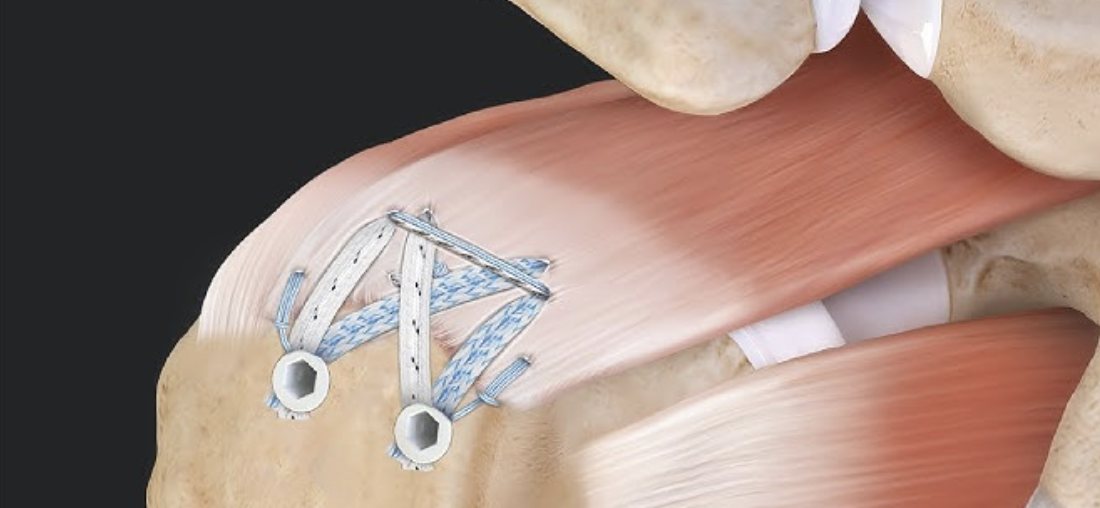
Using specialized instruments, the surgeon repairs the torn tendons, securing them back to the bone. The incisions are then closed, and the shoulder is bandaged and in a sling to protect the area during the initial healing phase.
Expected Outcomes
Improved Mobility
After undergoing arthroscopic rotator cuff repair surgery, patients can expect significant improvements in shoulder mobility, allowing for a greater range of motion in daily activities.
Pain Relief
The surgery aims to alleviate chronic shoulder pain, providing patients with long-term relief and enhancing their overall quality of life.
Enhanced Strength
Post-surgery, patients often experience increased shoulder strength, enabling them to engage in physical activities with more confidence and ease.
Potential Risks and Complications
What are the common risks associated with the surgery?
Common risks include infection, bleeding, and stiffness in the shoulder. It is important to follow post-operative care instructions to minimize these risks.
Could there be nerve damage during the procedure?
While rare, there is a potential for nerve damage. Surgeons take precautions to avoid this, but it is a risk that patients should be aware of.
Is there a chance of re-tear after surgery?
There is a possibility of re-tear, especially if post-surgery guidelines are not followed. Rehabilitation and physical therapy are crucial for recovery.
Is there a chance of re-tear after surgery?
There is a possibility of re-tear.
Rotator cuffs require a prolonged period of time to heal- 3 months. As we are trying to get tendon to heal to bone. Therefore there are strict guidelines around what you can do afterwards.
There are also a number of other factors that increase your risk of a retear which can include factors like Age, type of tear what you do for work. This can be measured via a scoring system called the “ROHI” score. We will give you a personalised risk assessment in helping you make your decision
What are the anesthesia-related risks?
Anesthesia carries its own set of risks, including allergic reactions and breathing difficulties. An anesthesiologist will discuss these with you prior to surgery.
How long is the recovery period?
Recovery can vary, but it typically takes 6-9 months wiht the first 3 being particularly important. Often you are kept in a sling as wait for the tendon to heal before we encrouage you to engage in physical therapy to aid in a full recovery.
Schedule Your Consultation Today
Ready to take the next step towards recovery? Contact Orthosports NZ to learn more about arthroscopic rotator cuff repair surgery. Our expert team is here to guide you through every step of the process. Schedule your consultation now and start your journey to a pain-free life.