
Understanding Acromioplasty: A Guide for Patients
Acromioplasty: Enhancing Shoulder Mobility and Comfort
Discover how acromioplasty can alleviate shoulder pain and improve your quality of life. Learn about the procedure, benefits, and what to expect during recovery.
What is Acromioplasty?
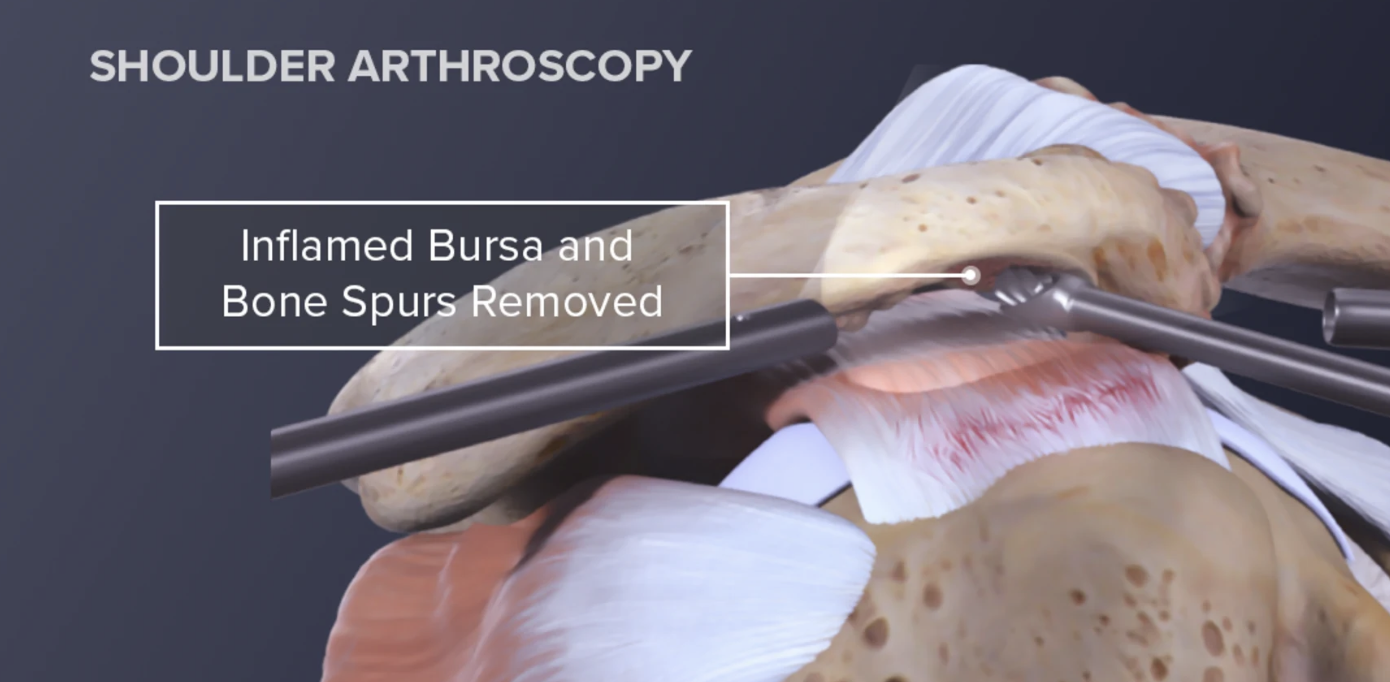
Acromioplasty is a surgical procedure aimed at relieving shoulder pain by reshaping part of the acromion, a bone that forms the roof of the shoulder. As part of this procedure we often will decompress the subacromial space where a lot of the bursitis occurs.
. This procedure is typically recommended for patients experiencing impingement syndrome, where the rotator cuff tendons are irritated or slightly damaged due to rubbing against the acromion.
The goal of acromioplasty is to increase the space for the rotator cuff tendons, reducing pain and improving shoulder function. It is often performed arthroscopically, which is minimally invasive, allowing for quicker recovery times and less postoperative discomfort.
Benefits of Acromioplasty
Why Consider Acromioplasty?
Pain Relief
Acromioplasty can significantly reduce or eliminate shoulder pain caused by impingement, allowing patients to return to daily activities without discomfort.
Improved Mobility
By removing the impingement, patients often experience enhanced range of motion, making it easier to perform overhead movements.
Quicker Recovery
As a minimally invasive procedure, acromioplasty typically involves a shorter recovery period compared to open surgeries, enabling patients to resume normal activities sooner.
Enhanced Quality of Life
With reduced pain and improved shoulder function, patients often enjoy a better quality of life, engaging in sports and physical activities with greater ease.
Potential Risks and Complications
Acromioplasty, like any surgical procedure, carries certain risks. Understanding these potential complications can help patients make informed decisions.
What are the common risks of acromioplasty?
Common risks include infection, bleeding, and adverse reactions to anesthesia. There is also a possibility of shoulder stiffness or persistent pain post-surgery.
Can acromioplasty lead to nerve damage?
While rare, there is a risk of nerve injury during the procedure, which could lead to numbness or weakness in the shoulder area.
Is there a risk of re-injury after acromioplasty?
Yes, there is a risk of re-injury, especially if post-operative care instructions are not followed or if the shoulder is overused too soon after surgery.
What are the potential long-term complications?
Long-term complications may include chronic pain, limited range of motion, or the need for additional surgeries if the initial procedure does not achieve the desired outcome.
How can I minimize the risks associated with acromioplasty?
Following your surgeon’s pre- and post-operative instructions, attending all follow-up appointments, and engaging in recommended physical therapy can help minimize risks.
What should I do if I experience complications?
If you experience any unusual symptoms or complications, contact your surgeon immediately for assessment and appropriate care.
Common Questions About Acromioplasty
Acromioplasty is a surgical procedure aimed at relieving shoulder pain and improving function. Here are some common questions and answers to help you understand the process better.
What is acromioplasty?
Who is a candidate for acromioplasty?
How long is the recovery period after acromioplasty?
Will I need physical therapy after the surgery?
Is acromioplasty covered by insurance?
What are the alternatives to acromioplasty?
Discover the Benefits of Acromioplasty
Take the first step towards a pain-free life. Contact Orthosports NZ today to learn more about how acromioplasty can help you regain mobility and comfort. Our expert team is ready to guide you through the process and answer any questions you may have. Don’t wait any longer—reach out now to start your journey to recovery.