
Understanding AC Joint Surgery Options
Explore the various surgical procedures available for treating acromioclavicular joint issues, tailored to restore your shoulder’s function and alleviate pain.
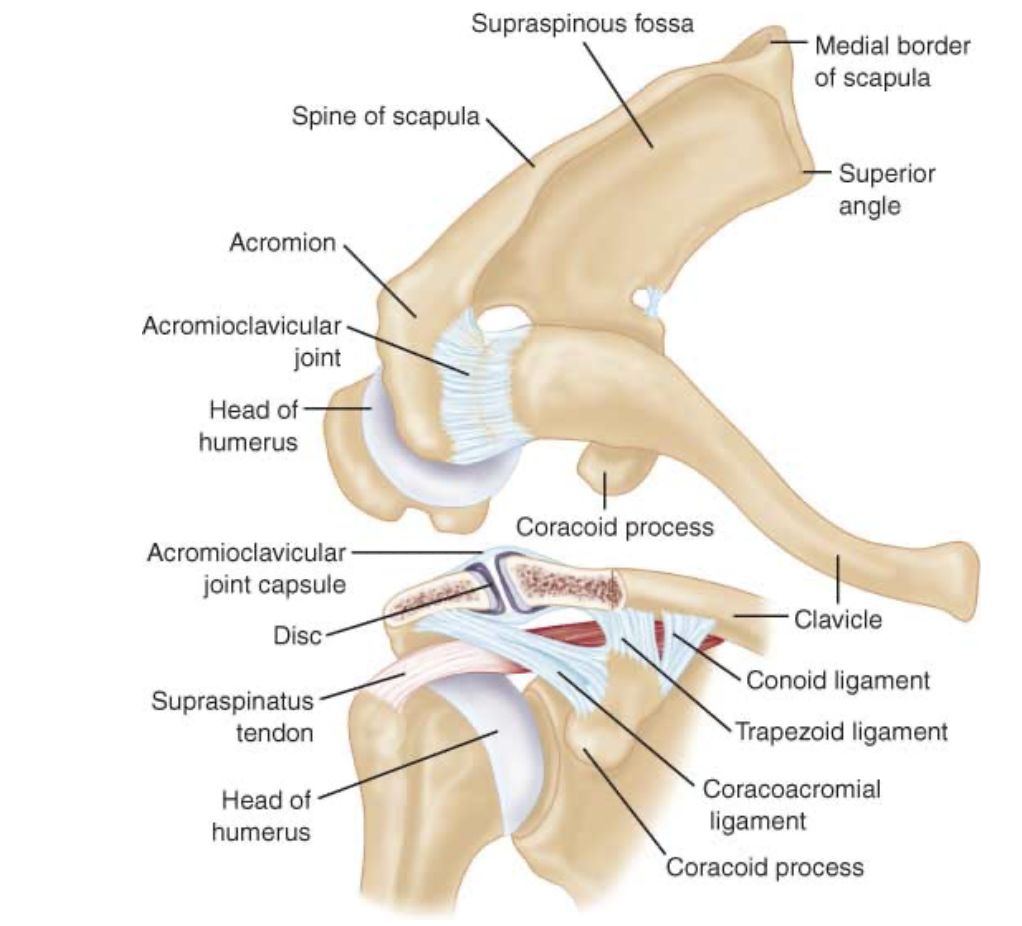
Explore Surgical Solutions
Types of AC Joint Surgeries
Stabilization Surgery
This procedure involves reinforcing the AC joint to prevent excessive movement and provide long-term stability.
Debridement Surgery
Debridement focuses on removing damaged tissue and bone spurs to relieve pain and improve joint function.
Excision Surgery
Excision involves removing the end of the clavicle to alleviate pain caused by arthritis or injury.
Arthroscopic Techniques
Minimally invasive methods that reduce recovery time and improve surgical outcomes.
Open Surgery Options
Traditional surgical approaches for complex cases requiring direct access to the joint.
Post-Surgical Rehabilitation
Comprehensive recovery plans to ensure optimal healing and return to activity.
When is Surgery Needed?
Stabilization surgery is typically recommended for patients experiencing chronic instability or recurrent dislocations of the AC joint, often following trauma or sports injuries. This procedure helps restore joint function and prevent future injuries.
Debridement is suitable for patients suffering from persistent pain due to bone spurs or damaged tissue within the joint. Excision surgery is often indicated for those with arthritis or significant joint degeneration, where removing the end of the clavicle can provide significant pain relief.
Potential Risks of AC Joint Surgeries
Understanding the Risks Involved
While acromioclavicular joint surgeries are generally safe, they do carry some risks. These may include infection, excessive bleeding, or adverse reactions to anesthesia. It’s crucial to discuss these potential complications with your surgeon to make an informed decision.
Specific risks vary depending on the type of surgery. Stabilization procedures might lead to hardware complications, while debridement could result in incomplete pain relief. Excision surgeries may cause joint instability if not performed correctly. Understanding these risks helps in setting realistic expectations.
Common Questions About AC Joint Surgeries
Acromioclavicular joint surgeries can be complex, and it’s natural to have questions. Here, we address some of the most common concerns to help you feel more prepared.
What is the recovery time for AC joint surgery?
Will I need physical therapy after my surgery?
Are there non-surgical options for AC joint issues?
How do I know if I need AC joint surgery?
What are the signs of complications after surgery?
Can I return to sports after AC joint surgery?
Explore Your Surgery Options Today
Ready to take the next step towards recovery? Reach out to Orthosports NZ to learn more about your AC joint surgery options. Our expert team is here to guide you through stabilization, debridement, and excision procedures. Schedule your consultation today and start your journey to better health.