
Understanding Shoulder Stability
Latarjet Procedure for Shoulder Instability
Discover how the Latarjet procedure can restore stability and function to your shoulder, helping you regain confidence in your movements.
Enhanced Stability
Proven Technique
Expert Surgeons
Comprehensive Care
About the Latarjet Procedure
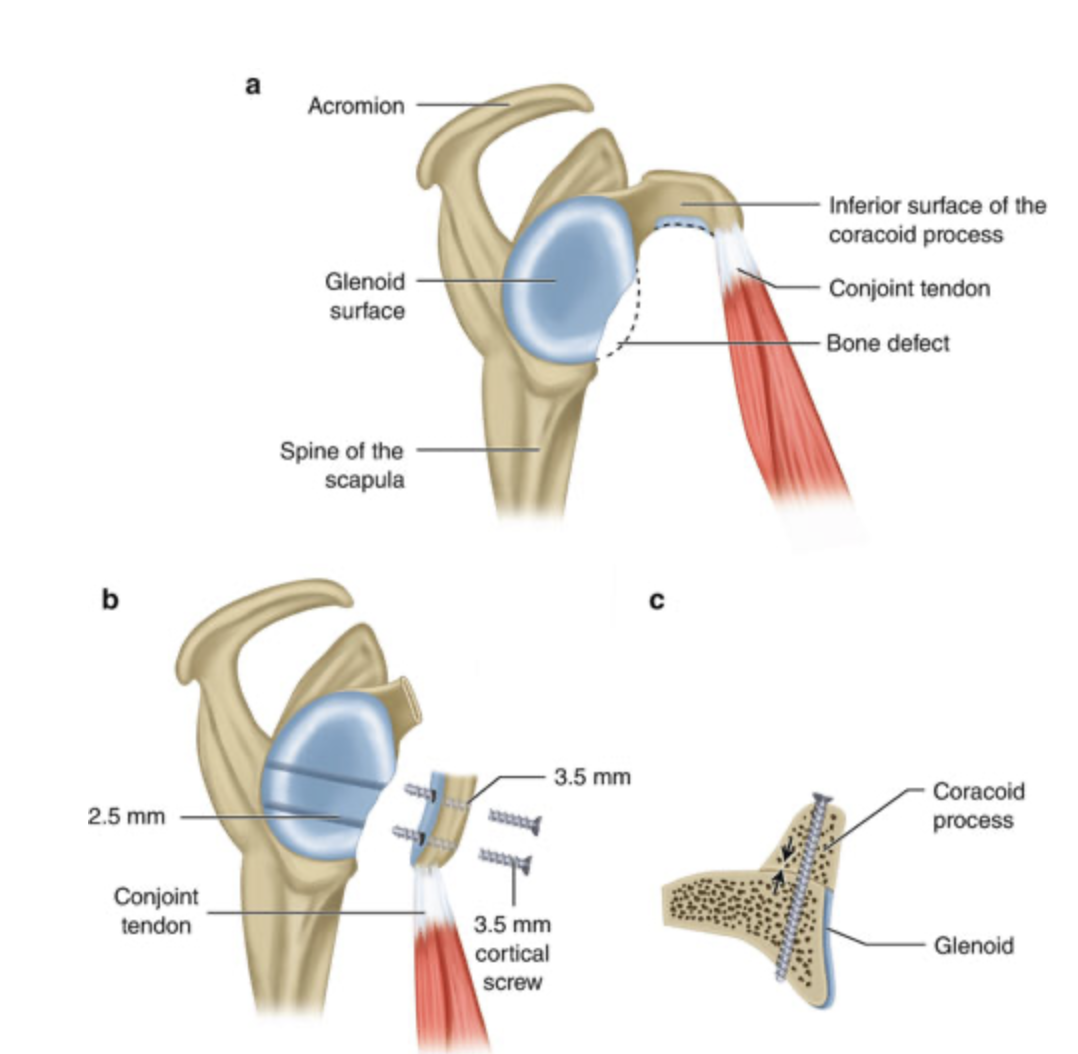
The Latarjet procedure is a specialized surgical technique designed to address shoulder instability, particularly in cases where there is significant bone loss or recurrent dislocations. This procedure involves transferring a portion of the coracoid bone to the front of the shoulder socket, providing additional support and stability. It is commonly recommended for athletes and individuals who have not found relief through other treatments.
Surgical Steps Overview
The Latarjet Procedure Explained
1
Pre-Surgery Preparation
Before surgery, patients undergo a thorough evaluation and imaging studies to plan the procedure accurately. Anesthesia options and surgical details are discussed to ensure patient comfort and understanding.
2
Surgical Technique
During the procedure, the surgeon makes a small incision and carefully transfers the coracoid bone to the shoulder socket, securing it with screws to enhance stability. This technique reinforces the shoulder joint, reducing the risk of future dislocations.
3
Post-Operative Care
After surgery, patients receive detailed rehabilitation plans to aid recovery. Physical therapy is essential to restore range of motion and strength, with follow-up appointments to monitor progress.
Key Benefits of the Latarjet Procedure
Latarjet Procedure Advantages
Enhanced Shoulder Stability
The Latarjet procedure significantly improves shoulder stability, reducing the risk of recurrent dislocations.
Improved Range of Motion
Patients often experience a greater range of motion post-surgery, allowing for more active lifestyles.
High Success Rate
With a high success rate, the Latarjet procedure is a reliable option for those with chronic shoulder instability.
Reduced Pain Levels
Many patients report a significant reduction in pain, contributing to an overall better quality of life.
Quick Recovery Time
Most patients can return to daily activities within a few weeks, thanks to the efficient recovery process.
Long-term Durability
The procedure provides long-term stability, ensuring lasting results for active individuals.
Common Questions About the Latarjet Procedure
Here are some frequently asked questions regarding the Latarjet procedure, along with detailed answers to help you understand the process better.
What is the Latarjet procedure?
The Latarjet procedure is a surgical technique used to treat shoulder instability by transferring a piece of bone to the shoulder socket to prevent dislocations.
Who is a candidate for the Latarjet procedure?
This procedure is typically recommended for patients with recurrent shoulder dislocations or significant bone loss in the shoulder joint.
What is the recovery time for the Latarjet procedure?
Recovery can vary, but most patients return to normal activities within 3 to 6 months, with full recovery taking up to a year.
Are there any risks associated with the Latarjet procedure?
As with any surgery, there are risks such as infection, nerve damage, or failure of the bone graft, but these are relatively rare.
How successful is the Latarjet procedure?
The procedure has a success rate of over 90%, making it a highly effective treatment for shoulder instability.
What should I expect during recovery?
Patients can expect to wear a sling for several weeks and undergo physical therapy to regain strength and mobility.
Potential Risks and Complications
Understanding the Risks of the Latarjet Procedure
While the Latarjet procedure is generally safe and effective for treating shoulder instability, it is important for patients to be aware of potential risks. These can include infection, nerve damage, and issues related to the healing of the bone graft.
Another possible complication is the development of arthritis in the shoulder joint over time. Additionally, there is a risk of the graft not integrating properly, which may require further surgical intervention.
Patients should also consider the possibility of limited range of motion or persistent pain post-surgery. It is crucial to discuss these risks thoroughly with your surgeon to make an informed decision.
Schedule Your Consultation Today
If you are experiencing shoulder instability and are considering the Latarjet procedure, we invite you to reach out to Orthosports NZ. Our expert team is here to provide you with comprehensive information and personalized care.