
Lateral Hip Pain
ITB Fenestration
Learn why ITB fenestration may be recommended for pain on the outside of the hip, how the operation works, and what to expect during recovery.
When surgery may be considered
Persistent Pain on the Outside of the Hip
Iliotibial Band (ITB) fenestration may be an option when pain on the outside of the hip is associated with the iliotibial band and continues despite exhausting non-operative management.
Treatment usually starts with measures such as activity changes, physiotherapy and utilising tools like injections into the area. Often this is enough to get patients back to the activities and sports that they want to do.
If these have not provided enough relief, your surgeon can assess whether the band is contributing to your symptoms and discuss whether surgery is appropriate.
During the operation, small openings are made in the tight portion of the band to reduce pressure over the painful area. Recovery typically involves a gradual return to walking and activity, guided by your surgeon and physiotherapist.
As with any operation, risks include infection, bleeding, ongoing pain and blood clots; your surgeon will discuss risks specific to you.
Understanding the Iliotibial Band
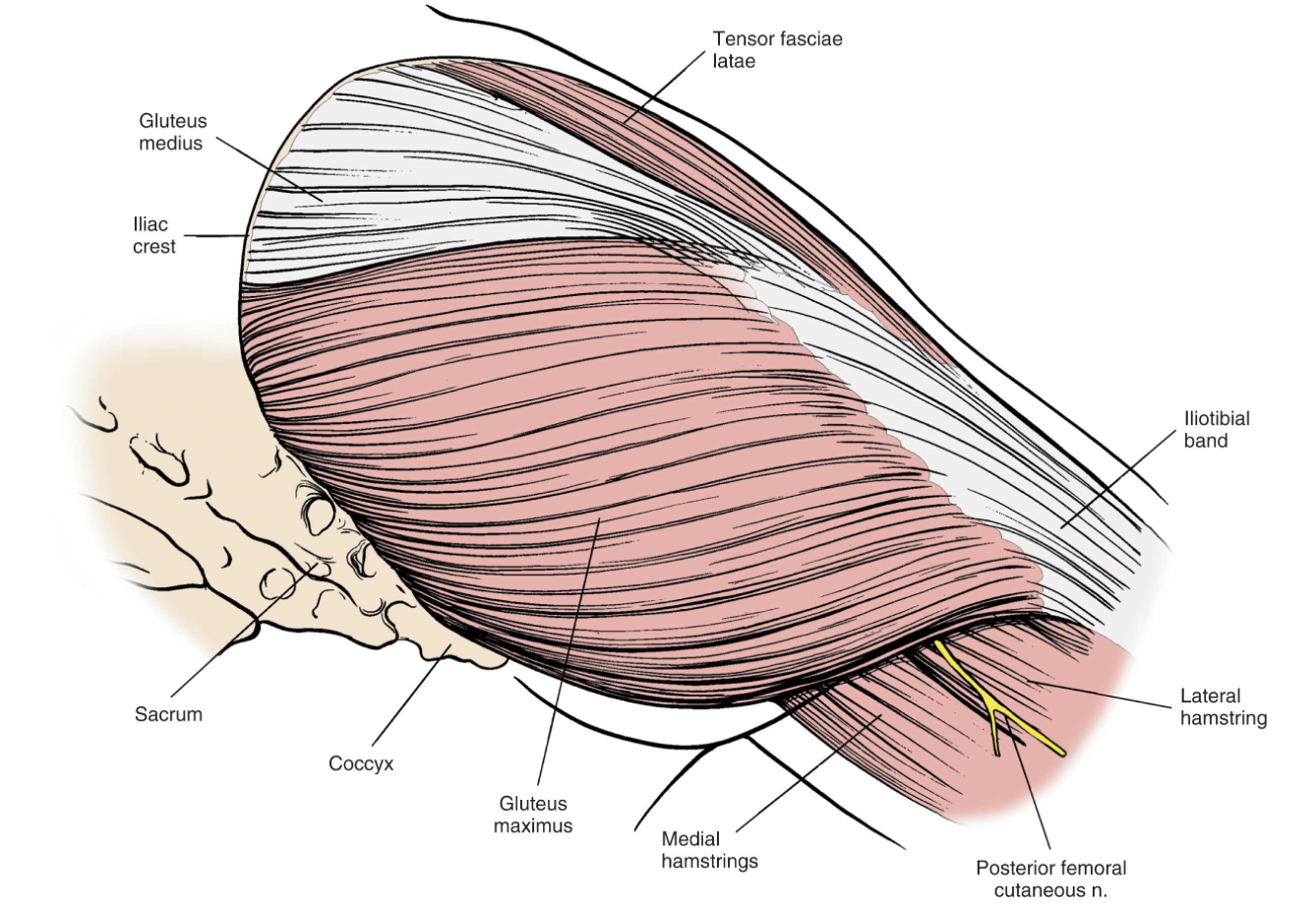
Pain on the outside of the hip can have several causes, so an assessment matters before considering ITB fenestration.
If the procedure is suitable, the surgical team will explain what it involves, the expected course of recovery and its potential risks in the context of your health and goals.
How ITB Fenestration Can Ease Lateral Hip Pain
Step 1
First, your surgeon identifies the tight or irritated area of the iliotibial band (ITB) over the outside of your hip.
This may involve injections to ensure we have the correct diagnosis.
Step 2
During the operation, the surgeon makes small incisions (key hole surgery). A window is made in the ITB to reduce tension and pressure on the tissues beneath it.
Step 3
The exact surgical approach depends on your symptoms, examination findings and individual circumstances. Your surgeon will explain the plan in your appointment.
From Assessment to Follow-Up
Pre-Operative Assessment
Your surgeon reviews your lateral hip pain, examines your hip and discusses whether ITB fenestration is appropriate. You will also have an opportunity to ask about the procedure and its potential risks, including infection, bleeding, persistent pain and blood clots.
Surgery and Early Recovery
The surgeon releases tension in the ITB using the approach planned for you.
This is the type of surgery we often perform as a daystay operation meaning that you don’t have to spend a night in hospital and can get home quicker to recover.
After surgery, your care team provides guidance on pain relief, wound care and when to begin moving.
Rehabilitation and Review
You gradually rebuild your walking and activity, often with physiotherapy exercises. Follow-up appointments let your surgeon check your progress and adjust your recovery plan.

What to Expect After Surgery
Some discomfort around the outside of the hip is expected after ITB fenestration. Your care team will advise you on pain relief, wound care and any temporary limits on activity.
Walking can be initiated immediately, often patients will use crutches for several days to help. . Rehabilitation exercises can help restore movement and strength before you return to more demanding activities. Recovery times vary: your general health, the procedure performed and your response to rehabilitation all affect how quickly you progress.
ITB Fenestration: Common Questions
Recovery varies from person to person. Your surgical team will give you instructions tailored to your procedure and health.
Will I need a general anaesthetic?
Yes- ITB fenestration may be performed under general anaesthesia. Your anaesthetist will discuss the most suitable option with you before surgery.
Will I need to stay in hospital overnight?
Many patients go home the same day.
When can I start walking?
You will be able to walk immediately after the surgery. Some patients will use crutches after surgery for a few days.
How long does recovery take?
When can I return to work and driving?
This depends on your job, which hip was treated and your ability to move safely. Do not drive until you can control the vehicle comfortably and are no longer taking medicines that impair alertness.
When can I resume sport and exercise?
Low-impact activity is usually introduced before running or sport. Typically once the wounds are healed you can get back to sport allowing pain to be your guide.
Potential Risks and Complications

Infection and Bleeding
As with any operation, infection or bleeding can occur. Contact your surgical team if you develop increasing redness, wound discharge, fever or unexpected swelling.

Blood Clots and Tissue Injury
Blood clots are uncommon but serious. Nearby nerves or tissues may also be injured during surgery, potentially causing numbness, weakness or other symptoms.

Persistent Pain or Limited Benefit
Lateral hip pain may continue after ITB fenestration, and symptoms may not improve as hoped. Your specialist can explain the likely benefits and alternatives for your situation.